Why Your Curry Tastes Flat: How to Fix Flavour Fast
A curry can have colour, texture, and even spice, yet still feel disappointing. It looks right, smells decent, but when you taste it, something is missing. That “something” is usually not one dramatic ingredient. It is balance. When a curry tastes flat, the flavours are either underdeveloped, unbalanced, or trapped. The good news is that you can often fix it quickly.
Understanding why a curry tastes flat is one of the most useful cooking skills you can develop. It saves meals, reduces waste, and makes everyday cooking feel more confident. Whether you are making a simple vegetable curry, dal, chicken gravy, or a richer weekend preparation, the same flavour principles apply.
What “flat” actually means in a curry
A flat curry is not always bland. Sometimes it is salty but dull. Sometimes it is spicy but lifeless. Sometimes it is thick and rich, but all the flavours sit on one level instead of opening up in layers.
Usually, flatness comes from one or more of these problems:
- Not enough salt
- Weak aroma from undercooked spices
- Missing acidity
- Lack of sweetness or depth
- Too much water
- Raw masala taste
-
No finishing layer
When these elements are corrected, the same curry can suddenly taste complete.
Start with the simplest fix: check the salt
Salt is the fastest flavour corrector in curry. Many curries do not actually need more spice. They need the right amount of salt to wake everything up.
If your curry tastes vague, muted, or watery, add a small pinch of salt, stir well, and simmer for a minute before tasting again. Salt does not just make food salty. It sharpens what is already there. Tomatoes taste brighter, onion sweetness becomes clearer, and spices feel more defined.
Be careful though. Oversalting is harder to fix than undersalting. Adjust in small steps.
Curry tastes flat when the base is undercooked
A strong curry begins with a properly cooked base. In many Indian curries, that means onion, tomato, ginger, garlic, and spices must be cooked until they lose rawness and start tasting integrated.
If the onion is only softened but not developed, the curry can taste thin. If the tomato is still sharp and raw, the gravy may taste acidic without depth. If the masala is added and rushed, the dish may carry that powdery unfinished note.
This is why patience matters in the base. Let onions cook until sweet and lightly golden. Let tomatoes break down properly. Let the masala cook until the oil begins to separate slightly or the mixture darkens and smells rounder.
A good masala base does half the work before the main ingredient even enters the pan.
Bloom your spices properly
One of the biggest reasons curry tastes flat is that the spices were not bloomed correctly. Spices need fat and heat to release aroma. If they are added directly to too much liquid, or cooked too fast on high heat, they lose impact.
The right approach is simple:
- Lower the flame
- Add the ground spices to the cooked base
- Stir for a few seconds with oil or ghee
-
Add a splash of water if needed to prevent burning
This short blooming stage changes the flavour dramatically. It turns a dusty spice note into a deeper, more aromatic curry.
This is also where a good spice blend matters. A thoughtful masala can bring body and balance faster than random spoonfuls of separate powders. In many everyday gravies, a blend like Ovii Garam Masala works best as a finishing support rather than the dominant flavour, helping the curry smell alive without making it muddy.
Acid is often the missing link
A curry can be rich, spicy, and still taste heavy or dull if it lacks acidity. Acid brings lift. It brightens the whole dish and helps the flavours separate cleanly on the palate.
Quick acid fixes include:
- Lemon juice
- Tamarind water
- Tomato
-
Yogurt, depending on the curry
Add acid carefully and at the right moment. A squeeze of lemon at the end can transform dal or a dry sabzi. Tamarind works well in lentil-based and South-leaning curries. Yogurt can soften and brighten some gravies when cooked correctly.
If your curry feels “dead,” brightness may be what it needs, not more heat.
Sweetness creates balance, not dessert
Many people hesitate to add sweetness because they fear making curry sweet. But in tiny amounts, sweetness is often the balancing note that removes flatness. It softens bitterness, rounds harsh acidity, and helps spices settle.
Useful balancing touches include:
- A pinch of jaggery
- A tiny pinch of sugar
- Naturally sweet onions cooked longer
-
Coconut in certain regional curries
This is especially useful in tomato-heavy gravies, some Maharashtrian styles, and lentil dishes where sourness or spice feels too direct.
Use chilli for warmth, not just fire
A curry can taste flat even when it is spicy. That usually happens when chilli brings only burn and not flavour. Heat alone is not depth.
A more balanced chilli gives warmth, colour, and a lingering finish. That is why the type of chilli matters. In everyday cooking, Ovii Tikhat Chili Powder can work well when you want the curry to feel fuller and more rounded, especially in vegetable gravies or simple home-style preparations where the spice should support the dish, not dominate it.
Add chilli in proportion to the dish. Too little and the curry feels lifeless. Too much and everything else disappears.
Add depth with onion-garlic richness
Sometimes a curry tastes flat because it lacks savoury depth. This is common in quick weekday cooking where the base is kept minimal. In such cases, an onion-garlic-forward masala can fast-track flavour and make the dish taste more complete.
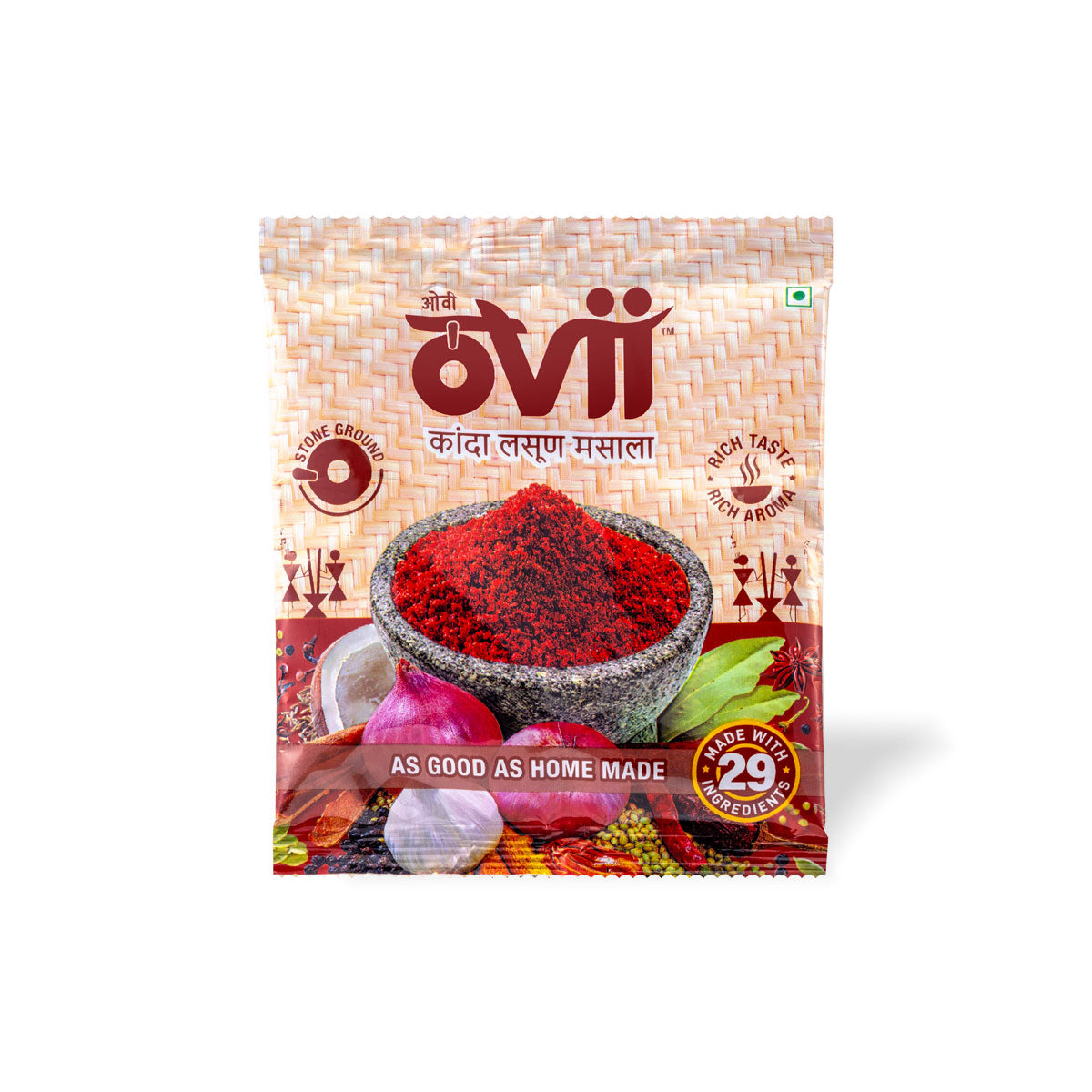
For vegetable curries, usal, and some non-vegetarian gravies, Ovii Kanda Lasun Masala can add that roasted, grounded, savoury backbone that many curries need. It helps the dish feel built rather than assembled.
This is especially useful when the gravy feels thin even though the seasoning seems right.
Do not ignore texture and water balance
Flavour is tied to texture. If your curry has too much water, even a well-seasoned masala can taste diluted. If the gravy is too thin, reduce it uncovered for a few minutes and taste again.
You can also improve body by:
- Mashing a few cooked vegetables or lentils into the gravy
- Cooking the curry a little longer
-
Letting it rest before serving
A curry that clings slightly to the spoon usually tastes fuller than one that runs off it immediately.
Finish the curry, do not just stop cooking
Many curries taste flat because they are cooked, but not finished. A finishing step gives freshness and contrast after the deeper cooking stages are done.
Fast finishing options:
- A pinch of garam masala
- Fresh coriander
- Lemon juice
- A spoon of ghee
-
A fresh tempering poured on top
This final layer brings the aroma back to the surface. Without it, the curry may taste complete in theory, but dull in reality.
Learn more about Ovii’s approach to flavour, purity, and Maharashtrian roots.
Match the spice to the curry style
Not every curry needs the same flavour direction. A lentil pot, a mixed veg gravy, and a meat curry all need different support.
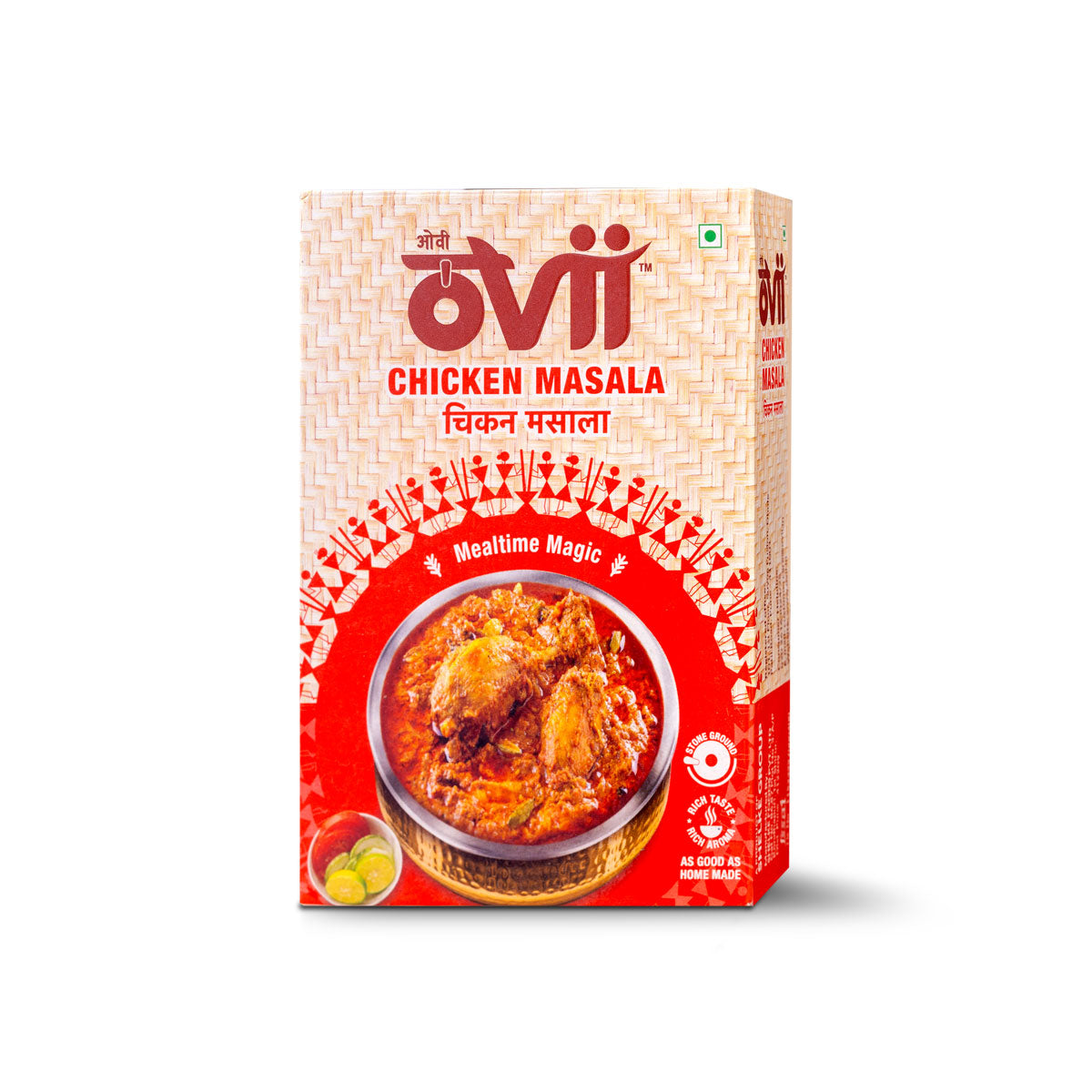
For example, when you want a curry with deeper, warmer notes for robust dishes, Ovii Mutton Masala can bring intensity that suits richer gravies, while Ovii Chicken Masala works better where the spice needs to feel aromatic and structured without becoming too heavy. For legume-based, Maharashtrian-style bowls that need a punchier personality, Ovii Misal Masala can push a dish out of bland territory and into something more vivid and memorable.
The real fix is not “add more masala.” It is “add the right kind of flavour.”
Explore pure spices and blended masalas for everyday cooking.
Quick rescue checklist when your curry tastes flat
Before giving up on the dish, try this order:
-
Taste for salt
-
Check if acidity is missing
-
Reduce excess water
-
Bloom a little more masala in fat and add it
-
Add a finishing touch like lemon, coriander, or ghee
-
Let it sit for 2 to 5 minutes and taste again
Most curries improve dramatically with just two or three of these corrections.
For bulk orders, collaborations, or product enquiries, connect.
Final thoughts
A flat curry is rarely a failure. It is usually a signal. It is telling you that one layer is missing, one balance is off, or one stage was rushed. Once you understand salt, acid, sweetness, spice blooming, reduction, and finishing, you can rescue almost any curry quickly.
The best cooks are not the ones who never make a flat curry. They are the ones who know how to fix it fast, and make it taste like that was the plan all along.
FAQs
1. Why does my curry taste flat even with spices?
Usually because it needs better balance in salt, acidity, or properly cooked masala.
2. Can I fix a bland curry quickly?
Yes, small adjustments like salt, lemon, a finishing tadka, or reducing extra water can help fast.
3. Why do spices taste raw in curry?
Ground spices often need to be bloomed in oil or ghee to release flavour properly.
4. What ingredient brightens a dull curry?
A little lemon juice, tamarind, or tomato can instantly lift the flavour.
5. How do I make curry taste richer at home?
Cook the base longer, use balanced spice blends, and finish with fresh coriander or a pinch of garam masala.