Kanda Lasun Masala: What It Is, How It’s Used and Best Dishes
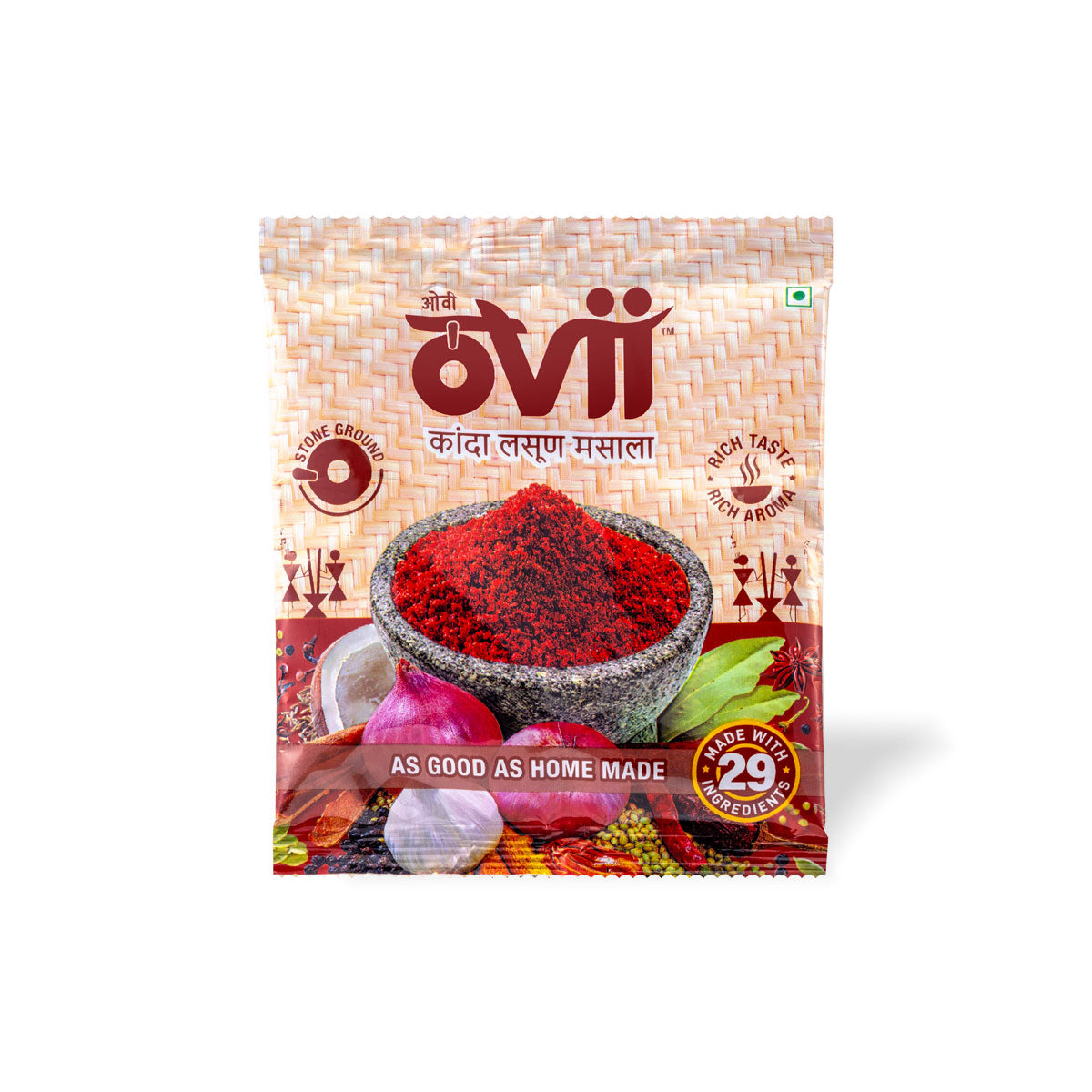
Kanda Lasun Masala is one of the most powerful flavour builders in Maharashtrian cooking. Deep, savoury, warm, and unmistakably home-style, it brings together the richness of onion, the punch of garlic, and the layered warmth of traditional spices in one blend. If many masalas are supporting actors, Kanda Lasun Masala is often the one that quietly carries the whole dish.
For anyone exploring Indian regional cooking, especially the food traditions of Maharashtra, understanding Kanda Lasun Masala is essential. It is not just a spice mix. It is a shortcut to depth, body, and that roasted, earthy flavour associated with proper ghar-ka-jevan.
What Is Kanda Lasun Masala?
The name itself explains the base. In Marathi, kanda means onion and lasun means garlic. Kanda Lasun Masala is a spice blend built around these two ingredients, usually supported by a mix of chillies and warming spices that add aroma, structure, and balance.
Unlike lighter spice powders that play a background role, this masala is bold and expressive. It is designed to make dishes taste fuller and more grounded. The result is a blend that feels roasted, savoury, and deeply satisfying rather than merely spicy.
In many Maharashtrian kitchens, Kanda Lasun Masala is treated as an all-purpose flavour weapon. It can turn simple vegetables into a proper sabzi, make legumes taste heartier, and give gravies a more cooked, complete personality.
Why Kanda Lasun Masala Matters in Maharashtrian Cooking
Maharashtrian cuisine, especially from the Desh region, values balance with character. Food is not meant to be bland, but it is also not meant to be noisy for no reason. Heat, tang, savouriness, and earthy depth all need to work together.
Kanda Lasun Masala helps achieve this because onion and garlic naturally create body and warmth. When they are dried, roasted, and blended with spices, they become an efficient way to add complexity without starting from scratch every single time.
That is why the masala appears in everyday cooking, not just special dishes. It belongs as much in a weekday bhaji as it does in a festive non-vegetarian curry.
Learn more about Ovii’s roots in Maharashtrian culinary tradition.
What Does Kanda Lasun Masala Taste Like?
The flavour of Kanda Lasun Masala is best understood in layers.
First, there is savouriness from the onion-garlic base. Then comes roasted warmth from the spices. Depending on the blend, there may be a little smokiness, chilli heat, or earthy sweetness. Good Kanda Lasun Masala should not taste harsh or one-dimensional. It should feel rounded.
The aroma is often the first giveaway. A quality blend should smell warm, rich, and inviting rather than dusty or overly sharp. In cooking, it should bloom into the oil and make the kitchen smell like something substantial is being prepared.
That is one reason blends like Ovii Kanda Lasun Masala fit naturally into home-style cooking. The goal is not just heat. The goal is depth.
How Is Kanda Lasun Masala Used?
Kanda Lasun Masala is usually added in one of three ways, depending on the dish.
1. In the masala base
This is the most common use. The masala is added to onions, tomatoes, or a cooked base and sautéed briefly so it loses any raw note and becomes fragrant. This works well in sabzis, gravies, and usal.
2. As part of a finishing boost
Some cooks use a little Kanda Lasun Masala toward the end to sharpen aroma and deepen the final flavour. This method works especially well when the curry already has a base and just needs more personality.
3. In dry dishes and stuffing
Because the blend is savoury and punchy, it works beautifully in dry vegetable preparations, stuffed vegetables, and roasted dishes. It clings well to vegetables and gives them a richer taste.
The key is to use it thoughtfully. Too little and the dish stays shy. Too much and it can overpower lighter ingredients.
Best Dishes for Kanda Lasun Masala
Usal and sprouted lentil dishes
Kanda Lasun Masala works brilliantly in matki usal, vatana usal, and mixed sprout preparations. Legumes often need a flavour push to feel hearty, and this masala provides exactly that.
Dry vegetable sabzis
Potato, brinjal, cluster beans, cabbage, bhindi, and mixed vegetable sabzis all benefit from the savoury warmth of Kanda Lasun Masala. It is especially useful in dishes that need body without becoming gravy-heavy.
Stuffed vegetables
Stuffed brinjal, stuffed chillies, and masala-stuffed baby potatoes become more robust and satisfying with a kanda-lasun-forward filling.
Chicken and mutton curries
The onion-garlic depth of this masala pairs naturally with non-vegetarian cooking. It gives gravies a more roasted, structured base and helps spice cling to the meat more effectively.
Simple gravies and rustic curries
If a curry feels flat or underbuilt, a well-used spoon of Kanda Lasun Masala can often fix it faster than adding multiple separate spices.
SECTION BREAKER: Explore Ovii’s full range of pure spices and blended masalas on the Shop page.
Why It Works So Well in Everyday Cooking
Kanda Lasun Masala is practical because it combines multiple flavour jobs into one blend. It adds:
- Savouriness
- Aroma
- Warmth
-
A sense of depth
This makes it ideal for busy home kitchens. Instead of peeling extra garlic, frying onions longer, and balancing multiple powders individually, a good Kanda Lasun Masala delivers much of that work in one step.
It is also versatile. It works with vegetables, legumes, eggs, and meat. That kind of flexibility is why it becomes a pantry essential once people start using it regularly.
How to Use It Better at Home
A few practical tips make a big difference:
- Add it on low to medium heat so it blooms without burning.
- If the pan feels too dry, add a splash of water after sautéing to prevent the masala from catching.
- Pair it with a little acidity, like tomato or lemon, when the dish feels too heavy.
-
Do not rely on it alone for every flavour note. Salt, acid, and texture still matter.
For lighter dishes, use it with restraint. For robust dishes, let it do more of the talking.
Kanda Lasun Masala vs Garam Masala
People often confuse the two, but they play different roles.
Garam Masala is usually more aromatic and used to lift the dish with warm spice notes.
Kanda Lasun Masala is more grounded and savoury, used to build body and deeper flavour.
In simple terms, garam masala often perfumes the dish, while Kanda Lasun Masala strengthens it.
Final Thoughts
Kanda Lasun Masala is one of the most useful and characterful blends in Maharashtrian cooking. It is bold without being blunt, savoury without being heavy, and versatile enough for daily use. Whether you are making usal, bhaji, stuffed vegetables, or a rustic curry, it can transform the dish from ordinary to memorable.
Once you understand what Kanda Lasun Masala does, you stop seeing it as just another packet in the pantry. You start seeing it for what it really is: a deeply rooted flavour tradition that makes everyday food taste more complete.
For product questions, bulk orders, or partnerships, connect with Ovii through the Contact page.
FAQs
1. What is Kanda Lasun Masala made from?
It is typically made with onion, garlic, chilli, and supporting spices that create a roasted, savoury flavour.
2. What is Kanda Lasun Masala used for?
It is used in sabzis, usal, gravies, stuffed vegetables, and some chicken or mutton dishes.
3. Is Kanda Lasun Masala spicy?
It can have heat, but its main role is depth and savoury flavour rather than extreme spiciness.
4. Can I use Kanda Lasun Masala in daily cooking?
Yes, it is one of the most practical blends for everyday Maharashtrian-style cooking.
5. How is it different from Garam Masala?
Garam Masala adds aromatic warmth, while Kanda Lasun Masala adds deeper onion-garlic richness and body.