Do Spices Go Bad? Shelf Life of Common Indian Masalas
Do spices go bad? Yes, but usually not in the way people think. Most Indian masalas do not suddenly become unsafe overnight. What they lose first is aroma, flavour strength, colour, and volatile oils. In other words, a masala often becomes weak before it becomes unusable. That distinction matters in Indian cooking, where the difference between a lively curry and a dull one often comes down to spice freshness. USDA notes that shelf-stable foods can remain safe for long periods if stored properly, while manufacturer guidance like McCormick’s focuses on flavour life: around 3 to 4 years for whole spices, 2 to 4 years for ground spices, and 1 to 2 years for many seasoning blends.
Read this informative blog by Ovii Masale to ensure you use spices in the right nick of time!
What “going bad” means for masalas
For spices and masalas, “going bad” usually means one of two things. The first is quality decline: the spice still looks usable, but smells faint, tastes dusty, and no longer delivers the depth it should. The second is storage damage: exposure to moisture, contamination, or poor handling can encourage mould, clumping, or off-odours. FAO guidance on herbs and spices stresses that they must be dried to a low enough moisture level to prevent growth of moulds and bacteria, which is why dry storage is so important from the start.
Why masalas lose strength over time
Spices owe much of their performance to volatile oils and aromatic compounds. Once a spice is ground, more surface area is exposed to oxygen, light, and humidity, which speeds up flavour loss. That is one reason whole spices generally hold their character longer than powders. FSSAI’s spices analysis manual specifically treats volatile oil content as a meaningful quality parameter in spices, which tells you how central those aromatic compounds are to spice quality. FAO and storage guidance also point to moisture and storage environment as major drivers of deterioration.
Shelf life of common Indian masalas
The broad rule is simple: whole spices last longer than ground spices, and blends usually fade faster than single-ingredient powders. A practical home-kitchen benchmark is this:
- Whole spices: about 3 to 4 years
- Ground spices: about 2 to 4 years
- Leafy herbs: about 1 to 3 years
- Seasoning blends / masalas: often 1 to 2 years, sometimes longer depending on formulation and packaging
These are quality-life estimates, not a promise that every jar stays equally vibrant for that entire period.
How this applies to Indian kitchen staples
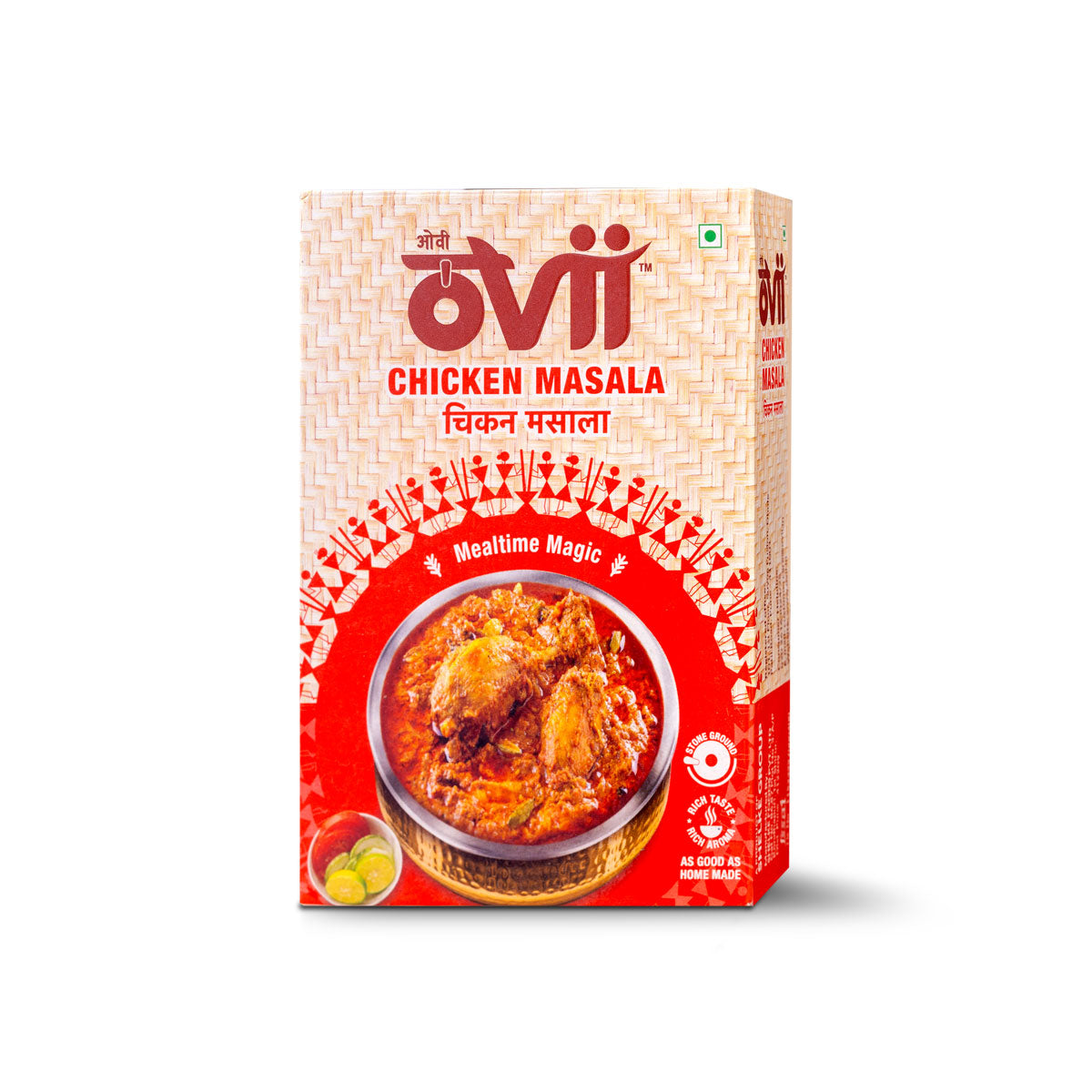
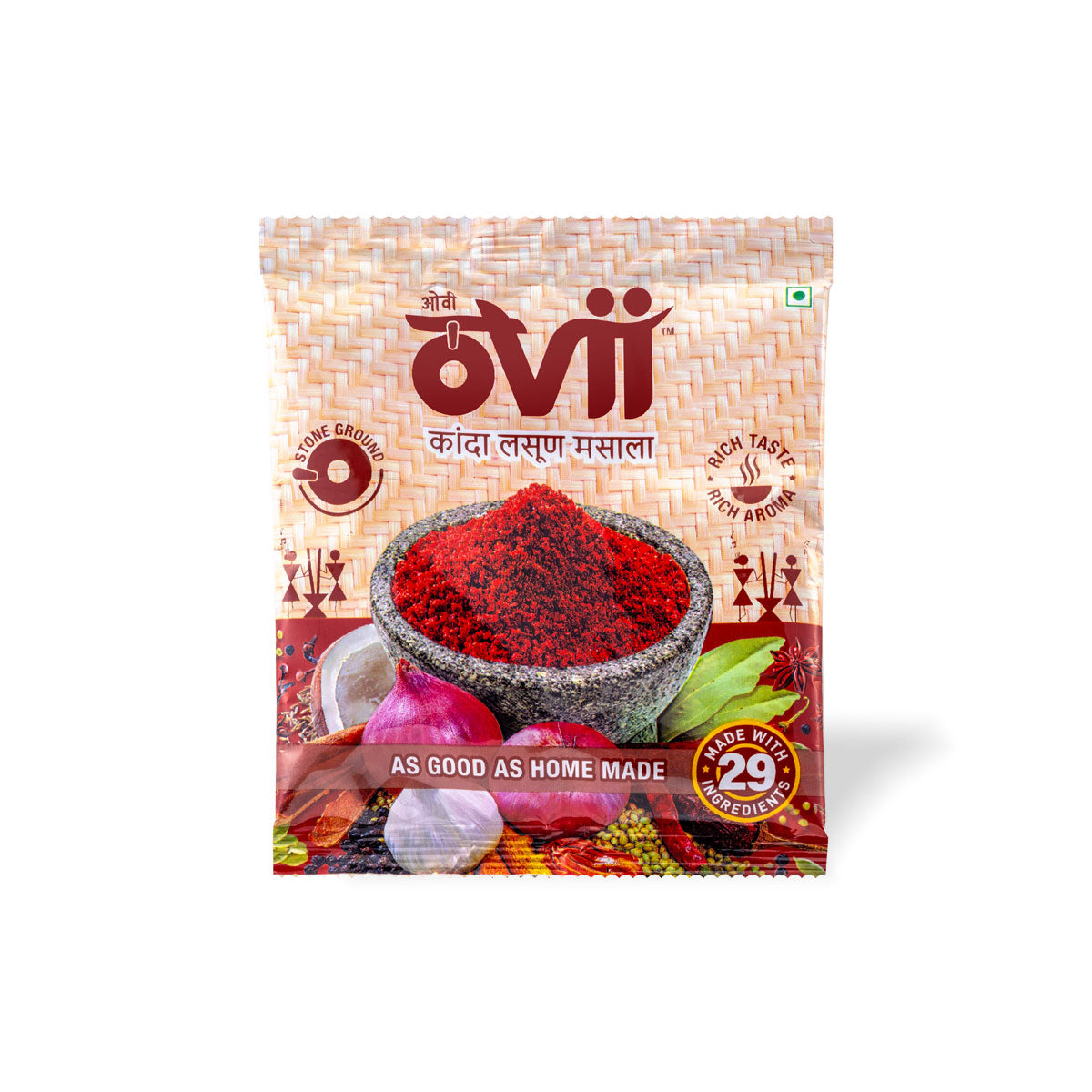
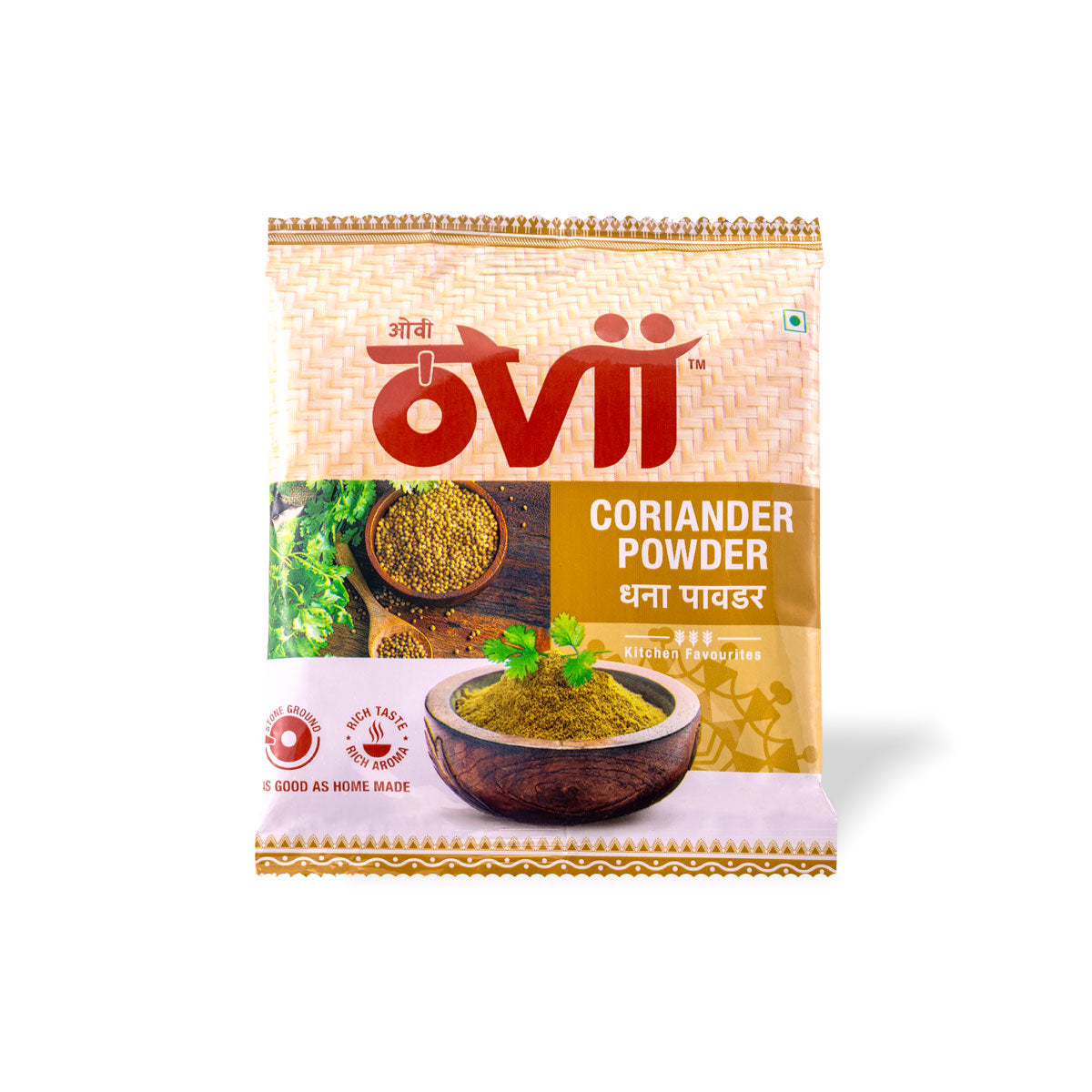
In an Indian pantry, different masalas age differently. Turmeric powder often keeps its colour longer than its aroma. Chilli powder can lose brightness and warmth. Coriander powder tends to go flat and woody. Blends like garam masala, kanda lasun masala, chicken masala, or mutton masala usually fade faster because they combine several already-ground ingredients, each with its own oxidation curve. That is why freshness matters even more for blended masalas than for single spices. This is also where a brand like Ovii Masale becomes relevant: when a company positions itself around purity and proper spice handling, it is essentially addressing the biggest factor in spice performance after harvest, which is how well aroma is preserved until it reaches the pan. Manufacturer guidance and storage references consistently show that blends are the most fragile category in terms of flavour life.
Whole spices vs ground masalas
Whole cumin, coriander seed, black pepper, cloves, mustard, and cardamom hold up better because their flavour compounds stay protected until crushed or roasted. Ground masalas are more convenient, but they also oxidize faster. That is why many cooks keep a mixed system: whole spices for tempering and longer storage, and ground masalas for speed and consistency. If your cooking style depends on quick weekday gravies, good-quality ground blends still make sense. The real question is not whether to avoid them. It is whether you are storing and rotating them properly.
The science behind storage
Low moisture is one of the biggest reasons dried spices keep well. FAO guidance is clear that dried herbs and spices must stay dry enough to avoid microbial growth. Oxygen matters too. Storage advice from major spice manufacturers emphasises airtight containers, cool and dark storage, and minimising exposure to air and sunlight. McCormick also notes that freezing is not recommended, because repeated removal from the freezer can create condensation and speed flavour loss rather than prevent it.
Signs your masalas are past their best
A masala may not be unsafe, but it may be too tired to do its job. Watch for these signs:
- the aroma is weak when you open the jar
- the colour looks dull or faded
- the powder has clumped from moisture
- it smells stale, dusty, sour, or musty
- you have to add more and more to get flavour
If you open a masala and it does not smell like much, that is often your clearest answer. In Indian cooking, where masalas are supposed to bloom in oil and perfume the whole dish, weak aroma usually means weak results. Storage and shelf-life guidance from both FAO-linked material and commercial spice references support this practical kitchen test.
How long should you keep specific masalas at home?
A sensible, flavour-first home approach looks like this:
- Whole cumin, coriander, mustard, cloves, pepper: use within about 3 to 4 years
- Turmeric powder, chilli powder, coriander powder: best within about 2 years for stronger flavour, even if the outer limit can be longer
- Blended masalas like garam masala, chicken masala, mutton masala, misal masala, sambar masala, or Ovii Kanda Lasun Masala: try to use within 12 to 18 months for best aroma
- Frequently opened jars should be rotated faster than rarely used backup stock
That flavour-first approach is often more useful than following only a printed “best before” line.
Why packaging quality matters
Not all masalas age the same way because not all packaging protects equally well. Exposure to air and light accelerates deterioration. Tighter seals, smaller packs, and less dead air in the pack generally help. This is one reason many consumers find that a fresh pouch from a smaller batch tastes stronger than a half-used jar that has been opened dozens of times. For a brand like Ovii, which is selling both pure spices and blended masalas for everyday Indian cooking, pack size and storage guidance are not minor details. They directly affect the cooking experience.
How to make masalas last longer
Here is the most practical storage checklist:
- keep jars tightly closed
- store away from the stove, not above it
- avoid clear containers in direct light
- use a dry spoon every time
- buy realistic quantities, not oversized stock you will not finish
- label opening dates if you use many masalas regularly
This matters especially for premium blends. If you buy a masala for its aroma, you want that aroma in the kadai, not lost into your kitchen cabinet over time. Storage recommendations from major spice references consistently focus on cool, dry, dark, airtight conditions.
Are old masalas dangerous?
Sometimes. Often, they are just disappointing. Dry spices are generally low-moisture foods, which helps safety, but poor storage can still cause moisture pickup, mould risk, contamination, or pest exposure. If a spice smells mouldy, looks wet, shows visible growth, or has any off-note beyond normal ageing, throw it out. If it is simply weak, it may still be safe but no longer worth using.
Why this matters for everyday Indian cooking
A bland curry is not always a recipe problem. Sometimes the masala is old. Weak turmeric, faded chilli powder, or stale garam masala can flatten a dish before it even starts. That is why brand trust matters. When you choose Ovii Masale, especially for blends that are meant to deliver warmth, aroma, and a Maharashtrian flavour profile, freshness is part of the product itself. A masala that has been handled, packed, and stored well simply performs better in the pan.
Explore fresh pure spices and blended masalas on the Ovii Shop page.
A practical rule for home cooks
Use whole spices for longevity where possible. Use ground masalas for convenience, but rotate them more aggressively. Keep the pantry smaller and fresher rather than bigger and older. And do not judge a masala only by whether it is technically still “good.” Judge it by whether it still smells alive.
For product questions, bulk enquiries, or partnerships, visit the Ovii Contact page.
Final thoughts
So, do spices go bad? Yes, but usually by fading before they fail. The shelf life of common Indian masalas depends on moisture, oxygen, light, packaging, and whether the spice is whole or ground. Whole spices generally keep longer. Ground masalas and seasoning blends lose their aromatic edge faster. For the best cooking results, buy carefully, store properly, and use your nose as much as the label.
With a purity-led pantry and good storage habits, even everyday masalas can stay expressive for much longer.
FAQs
1. Do Indian masalas expire?
Yes, but they usually lose aroma and strength before they become unsafe.
2. Which lasts longer, whole spices or ground spices?
Whole spices usually last longer because their flavour compounds stay protected until crushed or ground.
3. How long does garam masala stay fresh?
For best flavour, many home cooks try to use it within about 12 to 18 months after opening.
4. Can I use old turmeric or chilli powder?
If it smells normal and has been stored dry, it may still be usable, but the flavour and colour may be much weaker.
5. What is the best way to store masalas?
Keep them airtight, cool, dry, dark, and away from heat and steam.